
Fox Pools LLC is a swimming pool service and repair company. We perform pool service and repair, pool inspections, pool safety covers, pool openings, pool closings and more! We serve all of Hampton Roads.

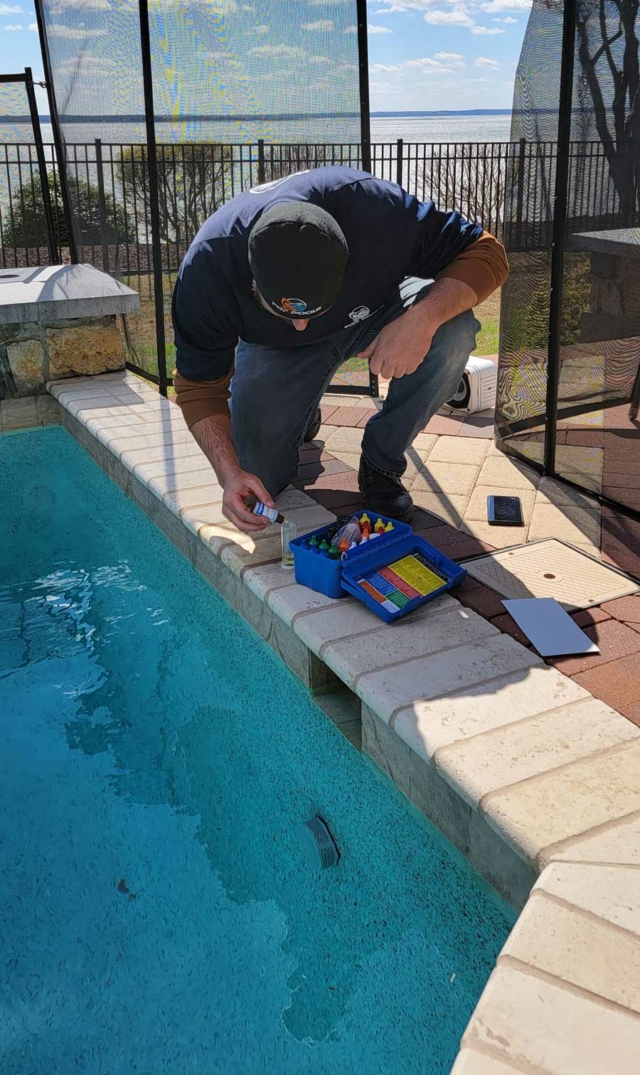
A pool & spa inspection includes an examination of the accessible parts of a pool or a spa. This is a visual inspection, which means that no components will be dismantled during the process. The goal of the inspection is to identify any potential defects and their causes. Pools and spas can be relaxing and therapeutic additions to any home or multi-unit housing structure, but only if they’re safe and properly maintained.
Once the inspection is completed, a person is provided with a full pool & spa inspection report. We will outline our findings, recommendations and any additional comments.
What is included in a structural integrity check during a pool inspection?
A structural integrity check evaluates the pool shell, walls, floor, and visible structural components for cracks, shifting, settling, or other signs of damage that could affect the pool’s long-term stability.
Why is structural integrity important for my pool?
Structural issues can lead to leaks, costly repairs, and safety concerns. Early detection helps prevent minor problems from becoming major structural failures.
What do inspectors look for in pool liners and tiles?
Inspectors check for tears, wrinkles, fading, separation, loose tiles, missing grout, and signs of wear that could lead to leaks or water loss.
How do I know if my liner or tile needs replacement?
Common indicators include visible cracks, persistent water loss, liner brittleness, tile movement, or sharp edges. An inspection can determine whether repair or full replacement is needed.
What equipment is evaluated during a pool inspection?
The inspection typically includes the pump, motor, filter system, heater, automation controls, and visible plumbing components to ensure everything is operating safely and efficiently.
Why is equipment evaluation important?
Catching equipment issues early can prevent unexpected breakdowns, improve energy efficiency, and extend the life of your pool system.
What problems are commonly found with pool pumps and motors?
Inspectors often look for unusual noise, vibration, leaks, overheating, worn seals, and reduced water flow—all signs the pump or motor may need service.
How long should a pool pump motor last?
Most pool pump motors last 7–12 years with proper maintenance. Regular inspections help identify wear before complete failure occurs.
How do inspectors evaluate the pool filtration system?
They check filter pressure, housing condition, internal media (cartridge, sand, or D.E.), and overall performance to ensure proper water circulation and clarity.
What are signs my filtration system is not working properly?
Cloudy water, short filter cycles, high pressure readings, or frequent backwashing needs may indicate the filter requires cleaning, repair, or media replacement.
What does a pool heater inspection include?
The heater is checked for proper ignition, heat output, corrosion, scale buildup, ventilation issues, and safe operation.
How can I tell if my pool heater needs service?
Slow heating, error codes, unusual noises, or failure to maintain temperature are common signs that the heater should be inspected.
What is checked in pool skimmers and drains?
Inspectors look for cracks, blockages, proper suction, secure covers, and compliance with safety standards.
Why are skimmer and drain inspections important?
Proper function ensures effective debris removal and safe water circulation while reducing the risk of suction-related hazards.
How do professionals check for pool leaks?
Technicians use pressure testing, dye testing, and visual inspections to identify leaks in plumbing lines, fittings, and the pool structure.
What are common signs of a pool leak?
Unexplained water loss, soggy areas around the pool, air in the pump basket, and rising chemical usage can all indicate a leak.
What safety features are inspected around a pool?
Inspections typically review safety covers, fencing, gates, alarms, and drain covers to ensure they meet current safety standards.
Why is a pool safety inspection important?
Proper safety features help protect children, pets, and guests while also helping homeowners stay compliant with local regulations.
What electrical components are checked during an inspection?
Inspectors examine pool lights, junction boxes, bonding and grounding, timers, and visible wiring for safety and proper function.
Are pool lights a safety concern?
Yes. Damaged or improperly sealed lights can pose electrical hazards. Regular inspections help ensure safe underwater lighting operation.
What do inspectors look for around the pool deck?
They check for cracks, trip hazards, drainage issues, surface deterioration, and proper deck slope away from the pool.
Why is the pool deck condition important?
A well-maintained deck improves safety, prevents water runoff problems, and protects the overall pool environment from long-term damage.
Fox Pools LLC is a swimming pool service and repair company. We perform pool service and repair, pool inspections, pool safety covers, pool openings, pool closings and more! We serve all of Hampton Roads.